TANF at 30
Landmark Dates for TANF
From the Director of the Office of Family Assistance:
- Thirty Years Later, Welfare Reform Needs Its Own Reform
- TANF and Work: The Gap Between Perception and Reality
- TANF and Work: The Caseload Reduction Credit and How States Exploit It
- The Prevalence of TANF Child-Only Cases Involving Immigration-Status-Ineligible Parents
- Safeguarding TANF Assistance: State Options for EBT Location and Purchase Restrictions
Families are Stronger Together
Young people leaving foster care often take on financial responsibilities earlier than their peers, while having fewer opportunities to learn about saving, banking, and building financial stability. This Annie E. Casey Foundation report examines…
This Administration for Children and Families announcement highlights $6 million in funding for 10 jurisdictions to advance the use of predictive risk modeling in child welfare. These jurisdictions will pilot technology aimed at using data to…
In July 2026, the Administration for Children and Families released notice of funding opportunities for two highly anticipated competitive kinship navigator funding opportunities. Applications are due August 7, 2026.…
In August 2026, the Administration for Children and Families (ACF) and the Department of the Treasury jointly released a Frequently Asked Questions (FAQ) document to help states, territories, and Tribes establish and administer…
This Administration for Children and Families’ webpage serves as a timely outreach tool for explaining child support in a way families can use. For Temporary Assistance for Needy Families (TANF) practitioners, it offers ready-made materials that…
Relative and kin caregivers raising Native children with disabilities may face challenges navigating services and advocating for the supports children and families need. This Grandfamilies & Kinship Support Network toolkit focuses on helping…
Work Innovations
This case study from the American Institutes for Research looks at how Indiana is using intermediaries – organizations that connect employers, schools, and other partners – to expand access to high-quality work-based learning. The study addresses…
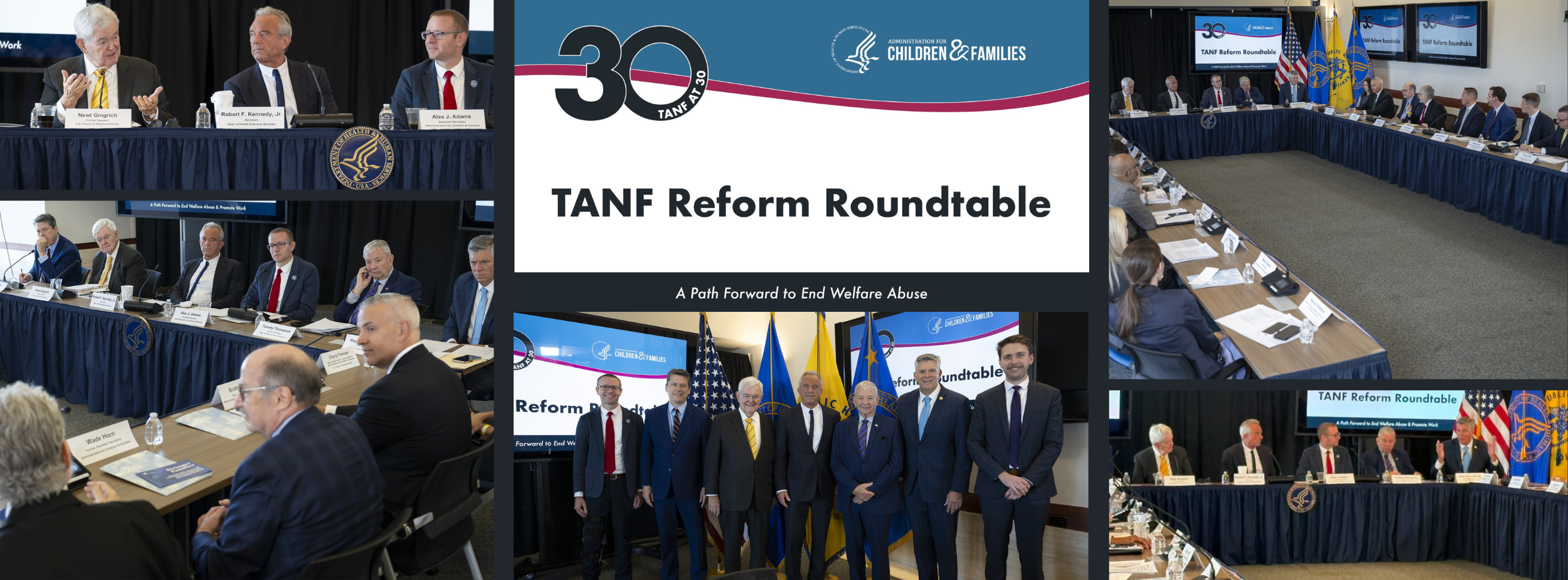
This year marks the 30th anniversary of the Temporary Assistance for Needy Families (TANF) program, commonly known as TANF, which was established in 1996. TANF evolved from the former Aid to Families with Dependent Children (AFDC) program,…
The Administration for Children and Families (ACF) is seeking input on the use of research from a range of audiences working in Temporary Assistance for Needy Families (TANF) or related family self-sufficiency programs. TANF…
This year marks the 30th anniversary of the Temporary Assistance for Needy Families program, commonly known as TANF, which was established in 1996. TANF evolved from the former Aid to Families with Dependent Children (AFDC) program,…
Young people leaving foster care often take on financial responsibilities earlier than their peers, while having fewer opportunities to learn about saving, banking, and building financial stability. This Annie E. Casey Foundation report examines…
The U.S. Department of Labor (DOL) has issued a Request for Information (RFI) seeking public input on the modernization of CareerOneStop and O*NET, two key workforce information resources used by job seekers, workforce professionals, and…
Promoting Healthy Marriages and Two-Parent Families
This companion guide to Your Money, Your Goals offers financial tools and approaches tailored for Native communities. Created by the Consumer Financial Protection Bureau, it highlights strengths, values, and financial practices rooted in…
Research from SmartAsset explores what it takes financially for one parent to stay home and the other to support the household. It adds context to the tradeoffs families face when making caregiving and work decisions. Within Temporary Assistance…
On September 30, 2025, the Administration for Children and Families announced over $100 million in Healthy Marriage and Responsible Fatherhood (HMRF) grants to 109 organizations across 38 states nationwide. This investment represents…
This webpage highlights the announcement of the new vision, mission, values, priorities, and guiding principles for the Administration of Children and Families. The webpage outlines the values and offers resources that highlight exemplary…
Families that receive Temporary Assistance for Needy Families (TANF) cash assistance are often in a state of crisis. They face immediate material needs, and these unmet basic needs put families at an increased risk for investigations in the child…
The Administration for Children and Families (ACF) has published these four Notices of Funding Opportunity (NOFOs) to support fathers, strengthen families, and empower youth across the nation.
…